Starting a Video Production Company?
I talk about how to start a video production company, things to avoid and 4 mistakes I made. I discuss how to build your finances, confidence and how to handle rejection and objections.
VIDEO PRODUCTION COMPANYBUSINESS TIPS
Ben Illingsworth
6/1/20268 min read
Introduction
At the bottom of this article you’ll find my Podcast Episode on Business Unlimited, where I discuss these ideas in more detail.
Early in my filmmaking career, I made plenty of mistakes — some small, some expensive, and some that took years to fully understand.
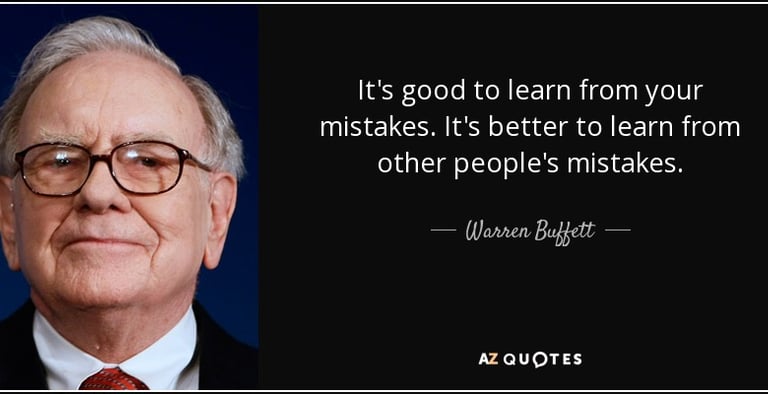
As Warren Buffett once said:
“It’s good to learn from your mistakes. It’s better to learn from other people’s mistakes.”
That quote perfectly sums up the purpose of this post.
In this article I’ll share five key lessons I learned while building a career as a video production company or a freelance filmmaker. These are things I struggled with early on, and they are mistakes I see many creatives continue to make today.
If you're trying to build a sustainable career in filmmaking, these lessons could save you time, money, and stress.
Everything here comes from real-world experience — and like everyone else in this industry, I’m still learning.










1. Filmmaking Is a Business (Not Just a Creative Hobby)
Most filmmakers love the creative side of the craft.
We enjoy talking about camera specs, lenses, frame rates, colour profiles, and aspect ratios. But the reality is that if you're freelancing or running a production company, you are also running a business.
And the business side is just as important as the creative side. This is something many filmmakers underestimate early on. Understanding how to run a profitable creative business takes time, but there are some great books that helped shape my thinking:
Books I recommend:
The 80/20 Principle — Richard Koch
The E-Myth Revisited — Michael E. Gerber
Disrupt You! — Jay Samit
Launch — Jeff Walker
Rich Dad’s Cashflow Quadrant — Robert T. Kiyosaki
These books focus on business systems, entrepreneurship, and financial thinking, which are essential skills for freelancers.
Set Up Proper Business Systems
One of the first things I recommend for freelancers is opening a dedicated business bank account.
Personally, I use Starling Bank, which makes it easy to track expenses through simple graphs. This becomes extremely useful when submitting information to HMRC for tax returns.
For invoicing, I use Invoice Temple, which allows you to create professional invoices quickly from your phone.
A few other lessons I’ve learned:
Get a good accountant early
Outsource tasks where possible
Always use contracts
Always take a deposit or have a cancellation agreement
Contracts are especially important. It's worth discussing your agreements with a solicitor to make sure your contracts properly protect your business.
Specialise Instead of Doing Everything
One mistake freelancers make is trying to do everything.
When you specialise in a niche, you become known for a specific skill — and that allows you to charge higher rates.
For example, our main focus is:
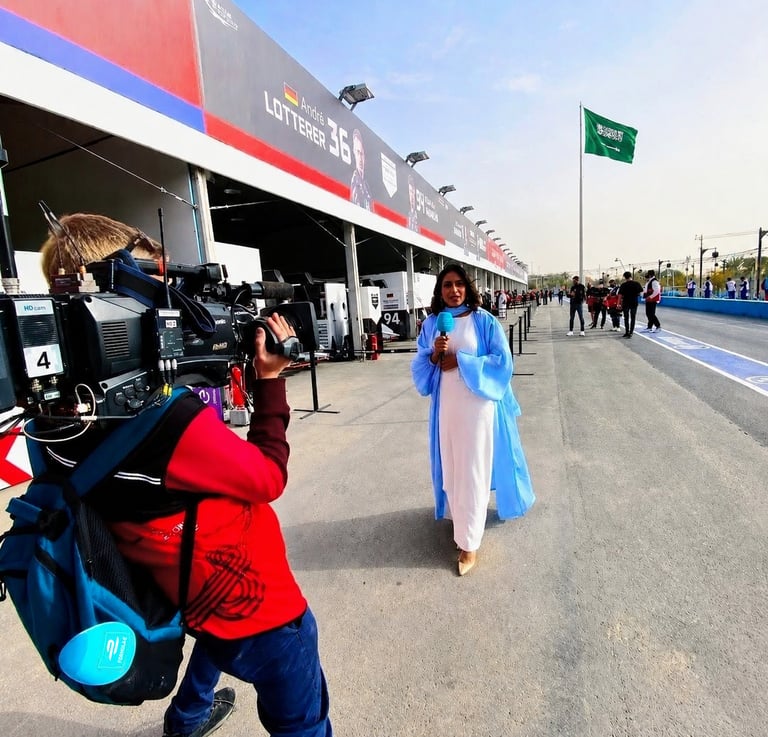
Live Sport
TV Production
Drone and FPV Services
You can still work across different areas, but having a clear specialty helps clients understand exactly what you do.
The Importance of Multiple Income Streams
The COVID-19 pandemic exposed how fragile freelance income can be. Many filmmakers rely entirely on client projects, which means if projects stop, income disappears overnight. That’s why building multiple income streams is so important. A good example is Full Time Filmmaker, founded by Parker Walbeck. Their online film school reportedly generates millions in revenue while teaching filmmakers how to improve their skills and build businesses. This type of model shows how creators can move beyond purely client work.
Some income streams I’m currently developing include:
Stock Footage and Stock Photography - Stock Drone Footage Sells Well! See my blog post on this!
YouTube, TikTok and Sponsored Content
YouTube can also be a powerful platform, but it’s far more competitive today than it was a decade ago. One strategy that works well is focusing on a double niche, combining two interests.
For example:
Supercars + rebuilding them (like Mat Armstrong’s content).
If you’re serious about growing on YouTube, I also recommend learning about keyword research and tools like VidIQ, which help creators understand how videos get discovered.
Other potential income streams include:
Online courses and coaching
Digital products (digital assets, templates, graphics)
Books
Physical products
Long-term investments such as Bitcoin, gold, silver, or index funds like the S&P 500 can also help build financial stability. Space Mobile has been my best performing stock first buying at 20 Dollars !
The key thing to understand is that passive income takes time. In many cases it can take years to build, but it provides stability when freelance work slows down.

2. Gear Obsession Can Destroy Your Finances
If you’re a filmmaker, you probably love gear. Buying a new camera, lens, or piece of equipment can feel exciting. But this excitement can also lead to poor financial decisions. The truth is that most equipment should be viewed as a liability, not an asset. Like a new car, expensive camera gear loses value quickly. The moment you open the box, the resale value drops. Early in my career I felt the need to own every piece of equipment. It didn’t take long to realise that this simply wasn’t sustainable. When buying gear look for open box gear which is like brand new! and also used to save money. Be careful with grey market kit especially from Sony as they can refuse repair and check for the UKCA Label.
Never Go Into Debt for Gear
A rule I strongly believe in is: Never go into debt for equipment unless you have guaranteed work to pay it off. Even if a project looks certain, things can change. Clients can cancel, projects can fall through, and budgets can disappear. Until the money is in your account and the job is finished, nothing is guaranteed.
Renting Is Often the Smarter Option
Renting equipment is often a better financial decision. If a client requires specific equipment, that cost should usually be included in the project budget. If they cannot afford the rental, then the project may not be financially viable in the first place. Remember: clients are hiring both your expertise and your equipment.
The 7-Day Rule for Buying Gear
To avoid impulse purchases, I follow what I call the 7-day rule. If I want to buy a new piece of equipment, I wait seven days before purchasing it. Most of the time, after thinking about it properly, I realise the gear isn’t actually necessary. Another important factor is practicality.
Some equipment looks great online but becomes impractical if:
Setup time is long
It requires a large crew
It slows down production
Buy Equipment That Generates Income
Equipment should ideally make you money. For example, I delayed buying a drone until I could afford the training and commercial drone licence required to operate professionally. By the time I purchased one, prices had dropped significantly, and I was able to buy a well-maintained drone with the accessories I needed. You can also offset costs by renting your gear to others. Platforms like Hygglo allow filmmakers to rent out equipment when it isn’t being used.
Just make sure to photograph and film the condition of the equipment before every rental for insurance purposes.





3. Confidence Is a Professional Skill
Like many people starting out in the industry, I experienced knockbacks and criticism early in my career. Not everyone you encounter will be supportive. But one thing I’ve learned is that confidence matters. If you don’t believe in your own abilities, it becomes difficult for others to trust you with their projects. There’s a well-known phrase that often applies in creative industries:
“Fake it until you make it.”
This doesn’t mean pretending to have skills you don’t possess. It means projecting confidence while you continue learning and improving.
Confidence helps clients see you as:
Capable
Professional
Reliable
Technical Skills Are Only Half the Equation
One realisation I had was that technical skill alone isn’t enough. Success in filmmaking often comes from:
Communication skills
Networking
Relationship building
One book that helped me improve these areas is:
How to Win Friends and Influence People — Dale Carnegie
Despite being written decades ago, the principles are still extremely relevant. The book focuses on understanding people, communicating effectively, and building strong professional relationships. Ultimately, people are far more likely to work with you if you solve their problems and understand their needs.




4. Charging Too Little Can Hurt Your Career
When you're starting out, it can feel difficult to charge industry rates.
You may not yet have:
A strong portfolio
Established contacts
Years of experience
Because of this, many filmmakers begin by charging lower rates or occasionally working for free. If you want to work for free I recommend doing projects for charities/ none profit for people who can't afford a creative. Ignore people who say they there will be paid work in the future! but won't pay for the first project Don't let anyone profit from your hard work!
Be cautious about unpaid internships or voluntary placements. Many of these opportunities don’t prioritise your long-term development and may not help you move toward your specific career goals. Instead, focus on creating opportunities for yourself. Film equipment has become far more affordable, which means you can produce high-quality work with a small team of friends or collaborators.
For example, I filmed parts of Big Cook Little Cook in my hometown of Barnsley, with FPV drone shots captured alongside a friend. This shows that meaningful projects can sometimes start close to home
Industry organisations like BECTU publish rate cards that can help you understand typical freelance rates. Once you establish your pricing, it’s important to stick to it.
Why Lowering Your Price Is Risky
Reducing your rate can cause several problems. First, it changes the power dynamic in negotiations. The client may feel they have gained leverage and may push for even lower prices in the future or question if they could have got more off. Second, it creates confusion if different clients are charged different prices for the same service. The creative industry is highly connected, and word spreads quickly.
A Better Approach to Negotiation
If a client cannot afford your price, avoid immediately lowering your rate. Instead, try to understand the real issue. Sometimes the solution is simply adjusting the scope of work. Rather than offering a discount, you could remove a service that is less essential to the project. This maintains the value of your work while still helping the client meet their budget.