
Creating and Selling Stock Video: A Guide to Maximizing Your Profit
Stock video production is an essential aspect for video companies looking to maximize their sources of income in the video market. In an uncertain world with AI and constant disruption it can provide you a nice source of income during slower periods.
VIDEO PRODUCTION COMPANYDRONE TIPS
Ben Illingsworth
6/23/20265 min read
Understanding Stock Video Production
Stock video production is an essential aspect for aspiring creators looking to maximise their profit potential in the video market. It involves capturing, editing, and distributing high-quality footage that can be licensed for various uses. To succeed in this competitive field, it’s important to understand which types of content are in demand. Common categories include lifestyle, nature, business, and technology footage, which appeal to a wide range of buyers. Stock footage can pay for your holidays, so always take your camera and drone with you when travelling—if it’s allowed. I have a friend who is making £30k a year passively from drone shots of America.
The Biggest Mistake People Make
A common mistake is overthinking equipment. Use what you have and focus on the content you are filming, as this is far more important than the camera itself. Another major mistake is rushing uploads with poor SEO (few keywords and short descriptions). I made this mistake when I was starting out and inexperienced, and it has cost me thousands of pounds in potential earnings. You can have the best footage in the world, but if the SEO is poor, it will not be discovered. Once a clip is uploaded, you often can’t simply re-upload it in the same way, meaning some of my best Rome and Croatia timelapses may never reach their full potential.
Technical Aspects
Technical quality plays a key role in stock video production. Filming in high resolution (4K or 6K) helps future-proof your work, as although 1080p is still widely used, higher resolutions will become standard. Shaky, over/underexposed, or soft focus clips are often rejected.
Choosing the right frame rate also affects the look and feel of your footage. Standard options include 24fps for a cinematic style and 30fps for smoother motion. Slow-motion clips can also provide additional creative value.
Planning your shots in advance, especially in nearby locations, helps you work more efficiently and ensures you capture everything you need in a structured way.
Lighting is critical—shooting during golden hour or sunrise can dramatically improve the look of your footage and help it stand out. Thinking outside of the box is crucial and trying to film areas that haven't been filmed before. E.g. I filmed the B29 Crash site with my drone because there were no stock shots of the plane at the time taken via drone an WW2 is a popular niche.
Finally, composition techniques such as the rule of thirds can significantly improve visual storytelling and increase commercial appeal.
Editorial vs Commercial Footage
Editorial footage is used for news, documentaries, and real-world events and may include recognisable people, brands, or locations without releases. Commercial footage is cleared for advertising use and requires all necessary model and property releases, making it suitable for marketing and paid promotions. Because of this, commercial footage has broader usage rights and higher earning potential.
Specialising in Drone and FPV Footage
Drone and FPV footage is highly sought after due to its unique perspectives and cinematic appeal, although the market is becoming increasingly competitive.
When capturing drone footage, it is essential to follow local regulations, including airspace restrictions, altitude limits, no-fly zones, and permit requirements. In many regions, proper licensing (such as GVC or A2 in Europe) and liability insurance are also required. Staying compliant not only ensures safety but also improves your credibility as a creator.



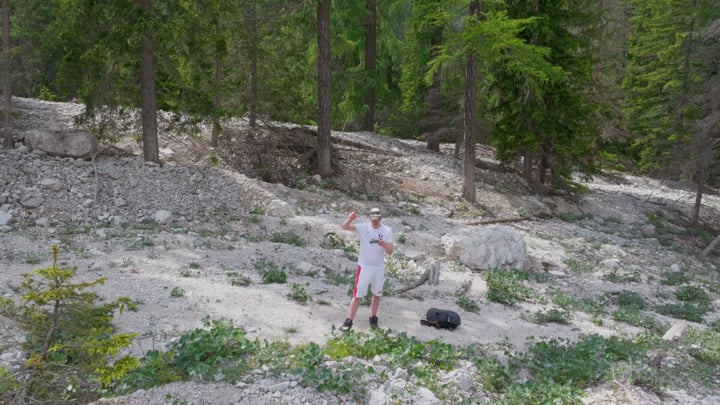
Travel Reel - Most of these shots are on Stock Footage Sites
YouTube - How to Make Money with your Drone!
One of my first big sales
Editing
For editing and preparing stock footage, DaVinci Resolve is highly recommended. The free version includes a professional editing suite, while the Studio version offers lifetime updates with no subscription fee and is often included with Blackmagic Design cameras. Resolve also includes Fusion, a built-in VFX and motion graphics tool.
In comparison, Adobe Premiere Pro is subscription-based, meaning access is lost if payments stop. Before uploading, stabilising shaky clips is important to improve quality and increase acceptance rates. Resolve’s stabilisation tools are fast and highly effective for stock preparation.
Colour Space (Rec.709)
Rec.709 footage generally sells best because it is ready to use immediately in most projects. Buyers prefer footage that requires no grading or colour correction. While Log footage offers more flexibility, Rec.709 provides a clean, natural look that appeals to a wider audience and often leads to more sales.
Selling Your Stock Footage
When distributing stock footage, creators often choose between Blackbox.global or uploading directly to agencies such as Adobe Stock, Shutterstock, Pond5, and Getty Images.
Blackbox.global allows you to upload once and distribute across multiple agencies, saving time on keywording, metadata, and submissions. It also simplifies collaboration by splitting revenue between contributors and provides consolidated reporting, but takes a percentage of earnings.
Uploading directly to agencies gives you full control over keywords, pricing, and portfolios and may result in higher earnings per sale. However, it requires significantly more time and management across multiple platforms.
SEO (Search Engine Optimization)
Optimising metadata is essential for visibility. Titles, tags, and descriptions should be accurate and include relevant keywords and synonyms to improve search rankings and discoverability. Use the maximum keywords allowed, and research street names, locations, and competition to strengthen performance.
Pricing and Promotion
Understanding pricing models is important for competitiveness. Researching market rates ensures you don’t undervalue your work while still attracting buyers. Promoting your content on social media and creative communities can also increase visibility and lead to more sales.
Stock Photography
Stock photography follows a very similar process to stock video and uses many of the same platforms, including Adobe Stock, Shutterstock, Alamy, Getty Images, Pond5, and Blackbox. High-quality, well-keyworded images across popular commercial categories can generate consistent passive income over time.


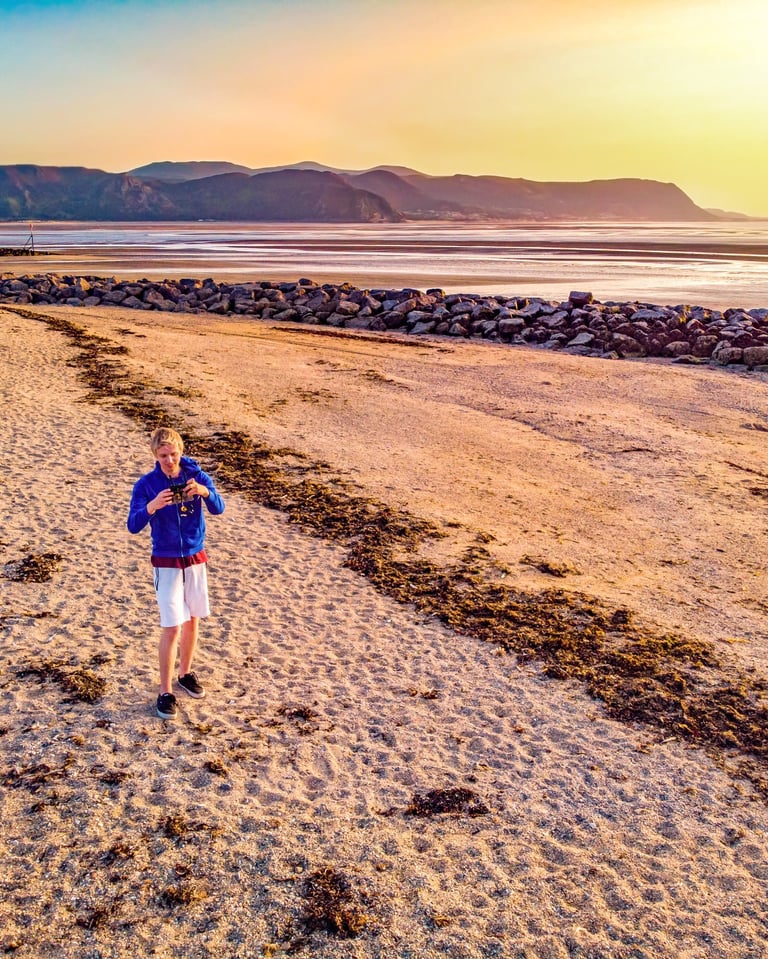
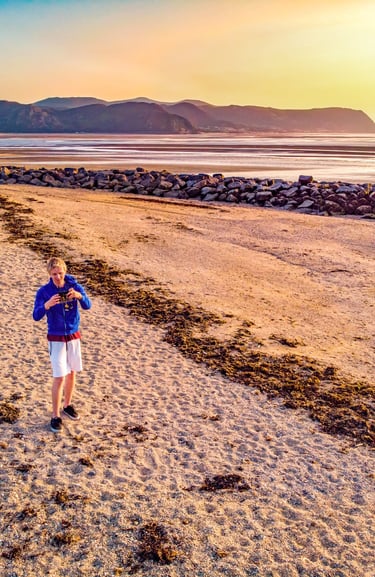


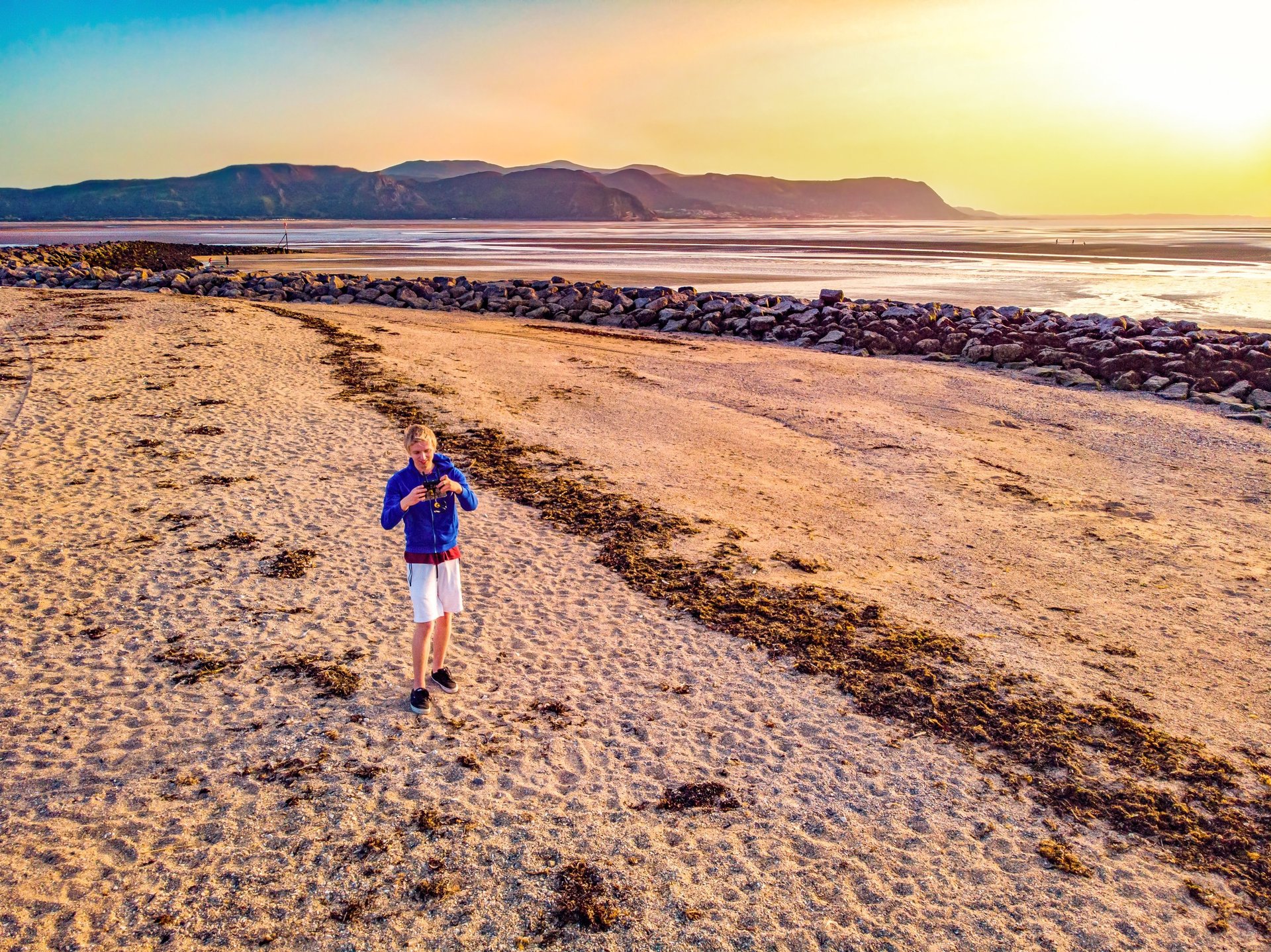
North Shore Beach Llandudno - During a holiday I captured lots of drone footage as well as hiked to the top of Snowdon.
Budapest Hungary - Capturing Drone shots in the centre thanks to my EASA A2 Drone License
Using AI and ChatGPT for Metadata
AI and ChatGPT can help stock video and photography creators generate keywords, titles, and metadata quickly, saving time and improving search visibility. However, AI works best as a tool to assist creators, not replace them and please read the stock sites user guide.
Pros
Faster workflow and increased productivity.
Quickly creates keywords, titles, and descriptions.
Improves discoverability on stock marketplaces.
Cons
May generate inaccurate or irrelevant keywords.
Can miss important context or niche details.
Often produces generic metadata.
Manual Review is Essential
Remove incorrect keywords.
Add specialized and relevant terms.
Ensure metadata accurately reflects the content.
Conclusion
The best results come from combining AI efficiency with human judgment and refinement.




Valencia, Spain - I filmed Drone footage on my downtime with Formula E in the city
Fuerteventura , Canary Islands There is a shipwrecked boat that was exciting to film as well as the nearby waterpark